Genshin Impact 3.4 in 2026: A Retrospective of Sumeru, Lantern Rite, and Setekh Wenut
Genshin Impact 3.4 brought Alhaitham, Yaoyao, and the Desert of Hadramaveth, plus Lantern Rite banners and a new boss.
In 2026, Genshin Impact 3.4 reads like a sealed diorama whose glass has fogged just enough to make its January 2023 release feel both close and remote. The update was not a speculative roadmap item but a finished patch that arrived on January 18, 2023, after the usual maintenance period and with the customary Primogem compensation. Its first phase paired Alhaitham with Xiao and boosted Yaoyao as a four-star, while the second phase, around February 8, brought Hu Tao and Yelan. For players and historians tracing the game’s mid-Sumeru era, 3.4 remains a dense sample: two new characters, three reruns, a new desert subregion, a new boss, a Lantern Rite slate, two outfits, and a fresh Genius Invokation mode. The patch also carried more content than many observers expected from a mid-region update, which is part of why it still merits a retrospective in 2026.
A 2026 snapshot of the 3.4 banners
| Phase | Five-star banners | Notable four-star | Timing |
|---|---|---|---|
| First | Alhaitham and Xiao | Yaoyao boosted | January 18, 2023 |
| Second | Hu Tao and Yelan | Standard pool | Around February 8, 2023 |
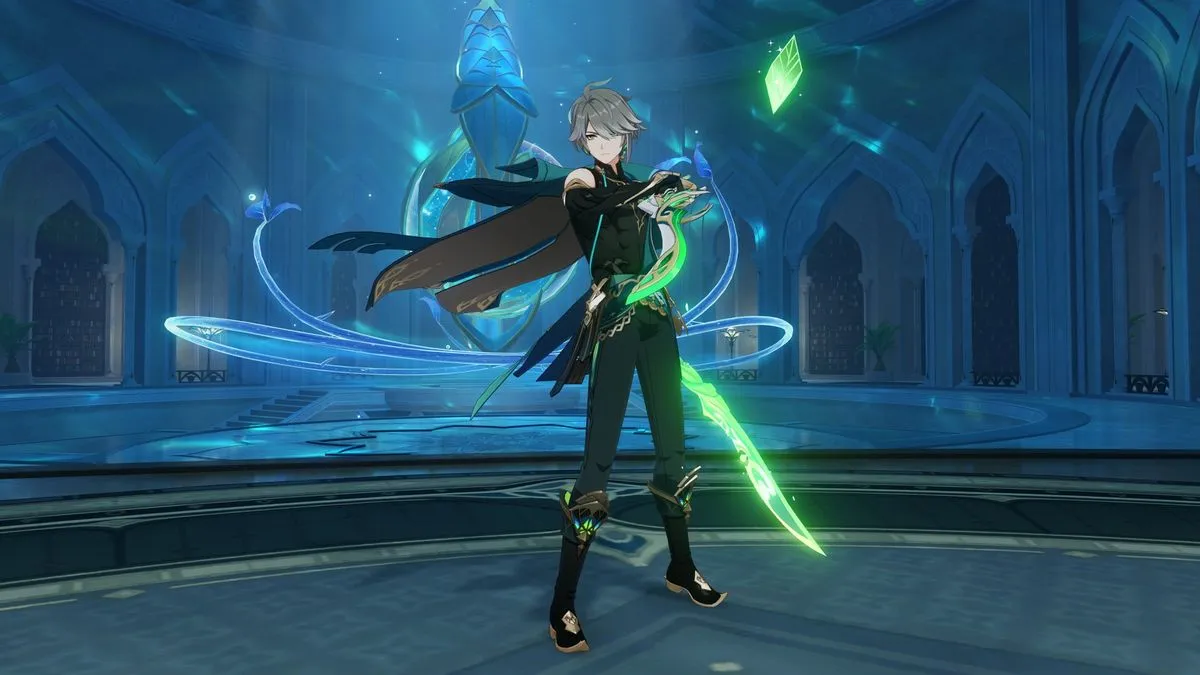
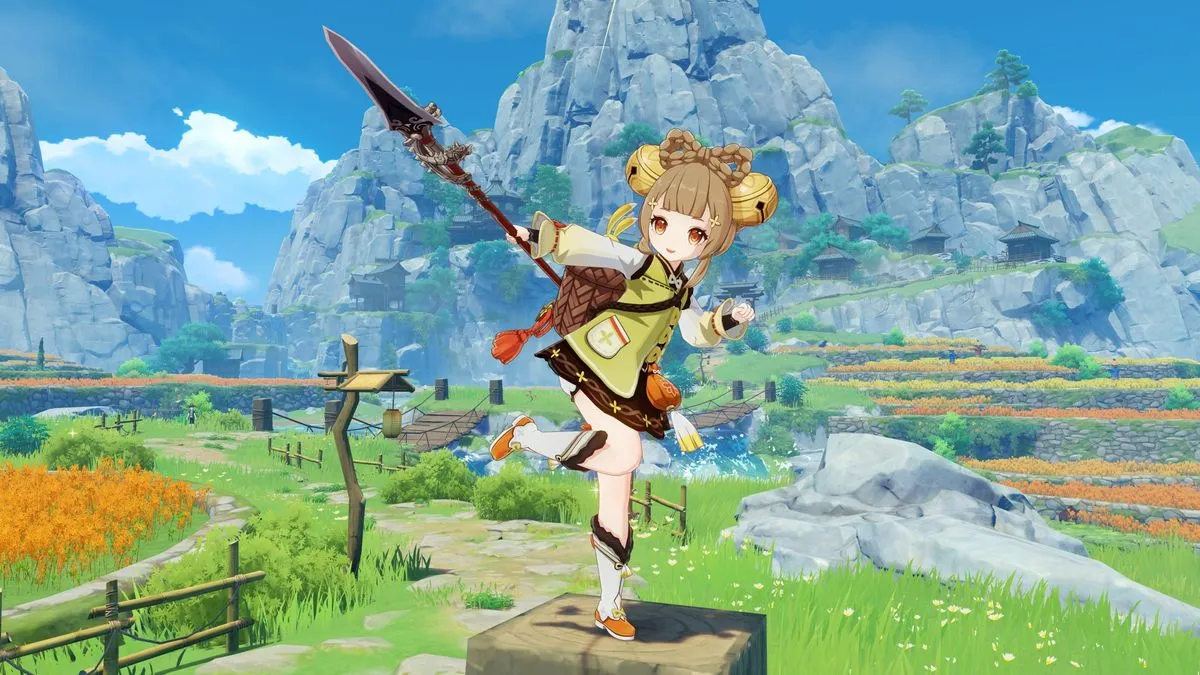
Alhaitham arrived as a five-star Dendro sword-user and a wandering scribe from the Akademiya. His combat identity revolved around Chisel-Light Mirrors, which infused his attacks with Dendro and set up follow-up strikes in a manner comparable to Xingqiu’s Raincutter burst. His signature five-star sword, Light of Foliar, also appeared on the Epitome Invocation weapon banner. Yaoyao, one of the longest-rumoured characters in the roster, finally debuted as a four-star Dendro polearm healer. Her kit had a memorably strange flavour: she fired radishes from her backpack, healing allies and damaging enemies at the same time. She was available as a boosted four-star on the Alhaitham and Xiao banners, and Lantern Rite offered another route to recruit her for free.
The Desert of Hadramaveth
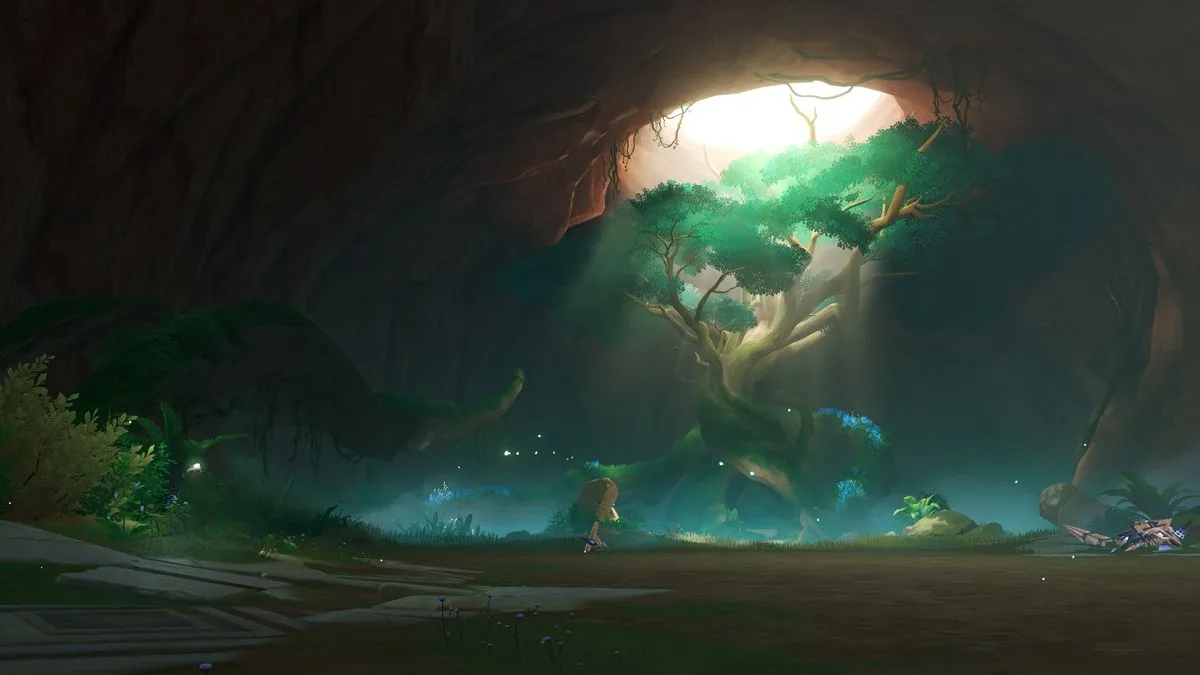
The Desert of Hadramaveth expanded Sumeru with a region that sounded even more barren than the existing desert. Randomly occurring sandstorms swept the area, and a giant hurricane had twisted its scenery into strange shapes. Underground areas were a major draw, including the ruins of Gurabad, a long-lost ancient city. The new zone tied directly into the version 3.4 story quest, which followed a search for the Scarlet King’s eternal oasis hidden somewhere in the sands. The Desert of Hadramaveth behaves like a clockmaker’s shop built inside a sandglass: every dune, ruin, and whirlwind is a gear that turns only when players learn the local rhythm. 🌪️

Setekh Wenut, the new boss
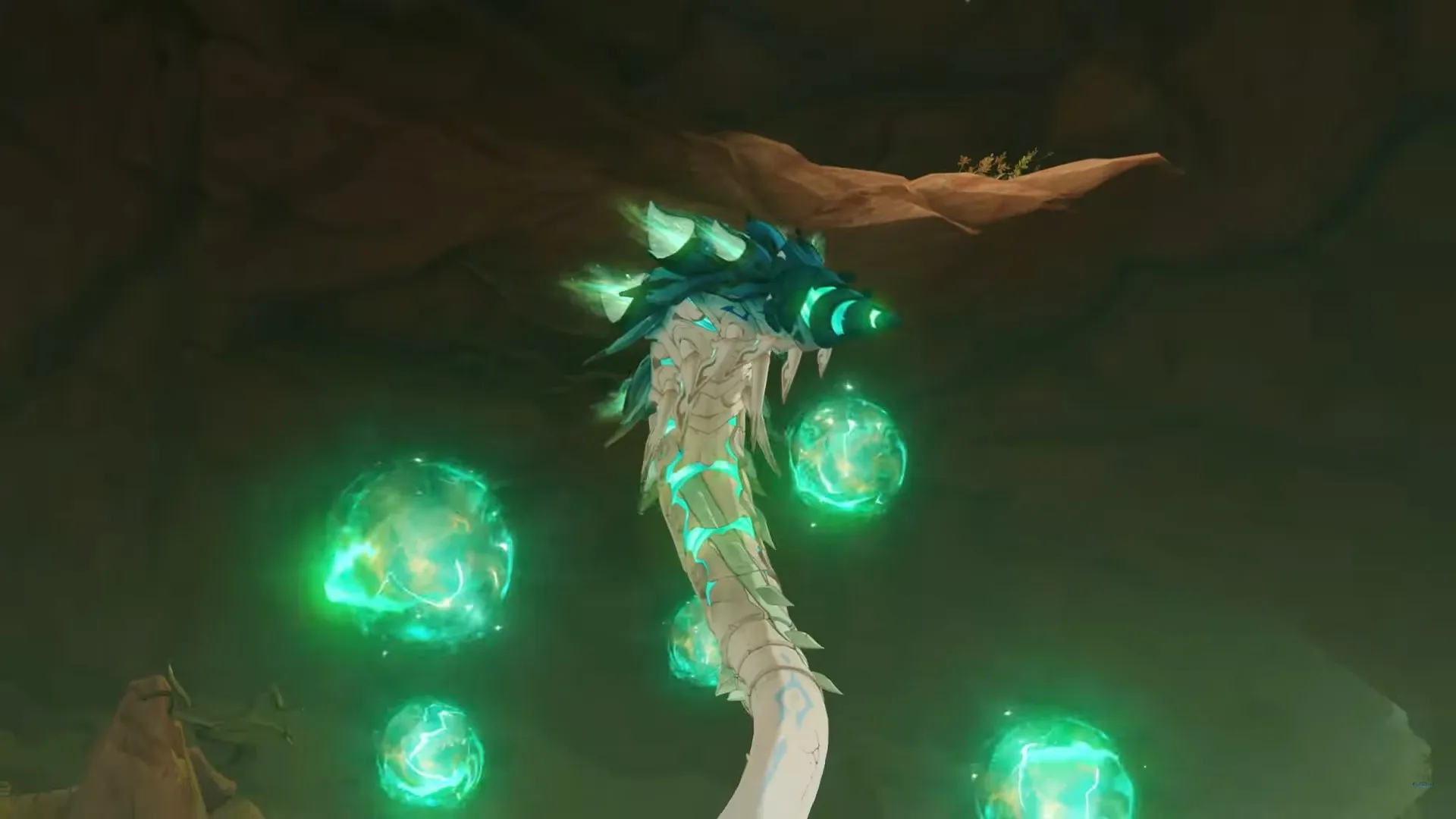
The new region also introduced Setekh Wenut, a flying Anemo worm with a silhouette that invited comparison to the Ruin Serpent in The Chasm. It could burrow underground or float through the air above players, raining down Wind Bite Bullets. In the broader history of Genshin boss design, Setekh Wenut is a useful marker of how Sumeru’s desert expansions mixed aerial pressure with underground movement. The fight demanded attention to positioning rather than pure damage racing, and it gave the Desert of Hadramaveth a combat centrepiece that matched its hostile weather.
Lantern Rite and the event slate
The biggest event in 3.4 was the returning Lantern Rite Festival. Its story quest involved organising a music festival alongside familiar faces and uncovering more tales from the past with Ganyu and Cloud Retainer. The main activities included Paper Theater, where players completed paper plays by swapping sections of the stage; Radiant Sparks, a time-trial race with the twist that players transformed into a firework to blast through barriers; and Floating Lanterns Mystique, a boat-based puzzle about collecting lanterns. Combat trials rounded out the slate. Festive Fever currency could be exchanged to invite a four-star Liyue character, including Yaoyao, and login bonuses supplied the usual ten free Intertwined Fates. Lantern Rite turns Liyue into a jewellery box with the night sky as its lid, and the free four-star invitation is the clasp. 🏮
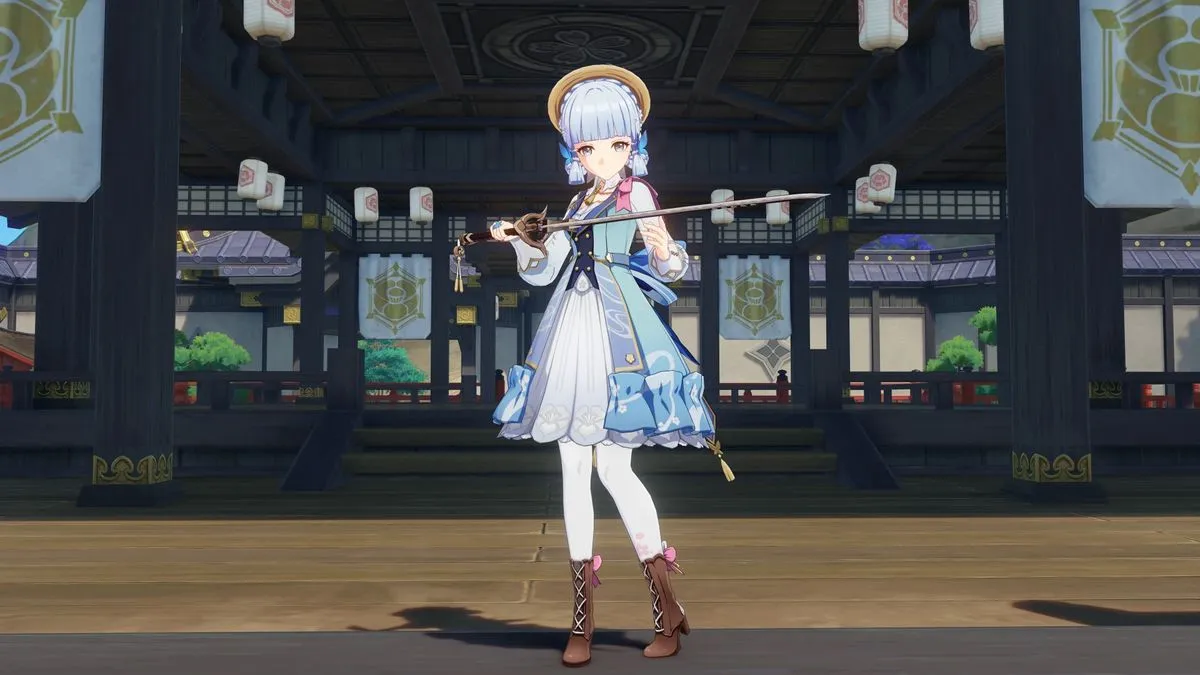
Other events added their own flavour. The Almighty Arataki Extraordinary and Exhilarating Extreme Beetle Brawl was exactly the kind of duelling side activity its name promised, with beetle fights staged in fighting-game style. Warrior’s Spirit returned as a fighting tournament mode where skills were unavailable and parrying became central. Second Bloom was a combat challenge that linked characters for bonuses across three consecutive rounds. Ayaka’s Fontaine-inspired outfit, Springbloom Missive, featured during Warrior’s Spirit, while Lisa’s Sumeru-inspired outfit, A Sobriquet Under Shade, could be earned for free through Second Bloom. Ayaka’s outfit, by contrast, required a store purchase.

Genius Invokation and the 2026 view
Genius Invokation received a Heated Battle Mode, which introduced a different special rule each version. The first rule automatically granted eight Omni Element Dice at the start of a game. In 2026, Genshin Impact 3.4 is no longer an upcoming patch; it is a historical release whose banners, events, and region design can be examined as a compact case study of mid-Sumeru ambition. The patch shows how miHoYo could combine a new explorable desert, a boss, a festival, free rewards, paid cosmetics, and a card-game rule twist into one version. For anyone mapping the game’s evolution, 3.4 remains a vivid checkpoint: a sandstorm, a lantern-lit festival, and a radish-throwing healer all sealed into the same January 2023 release. 🎴